
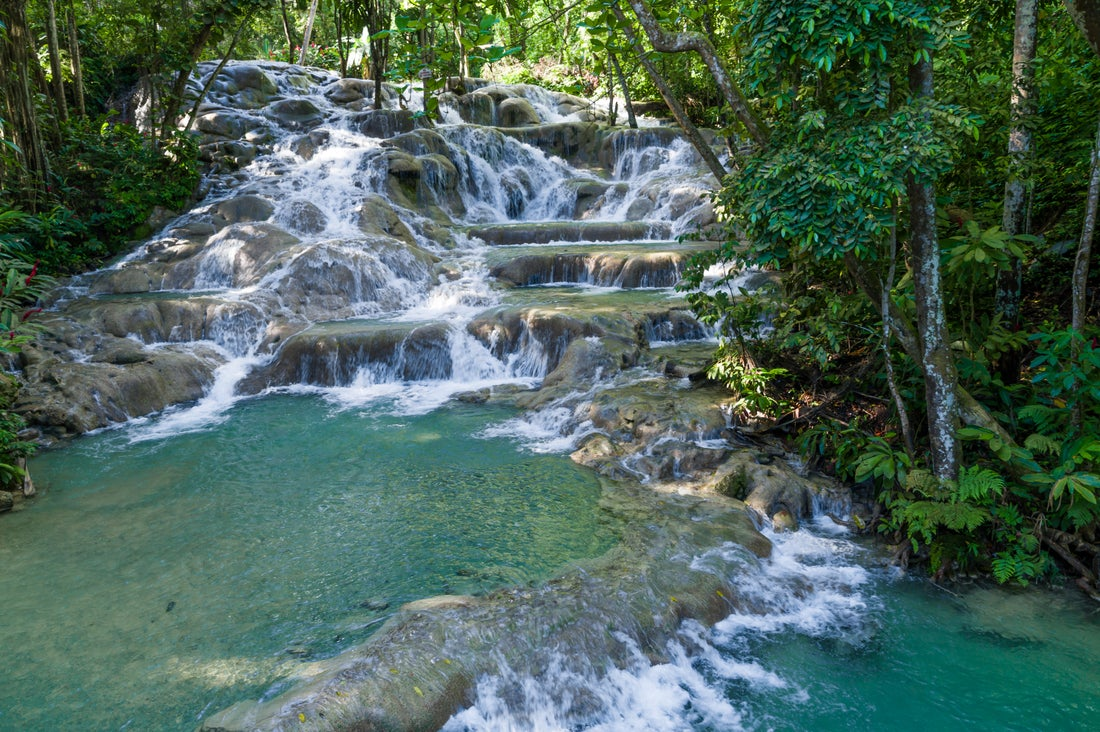
Jamaicas Beach Access Crisis: The Law That Makes It Possible
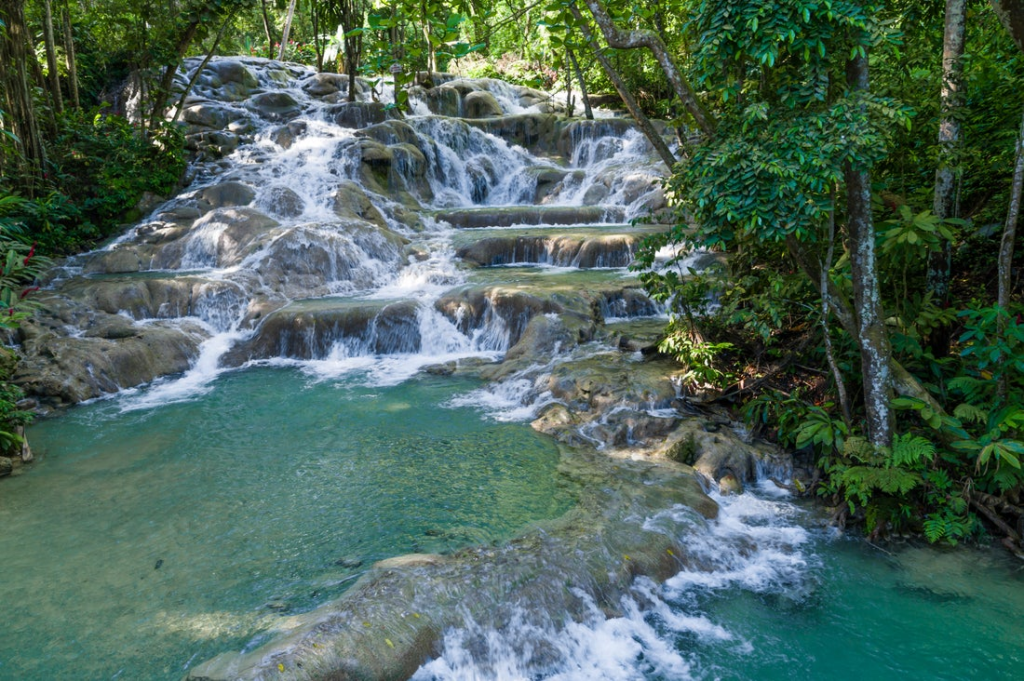
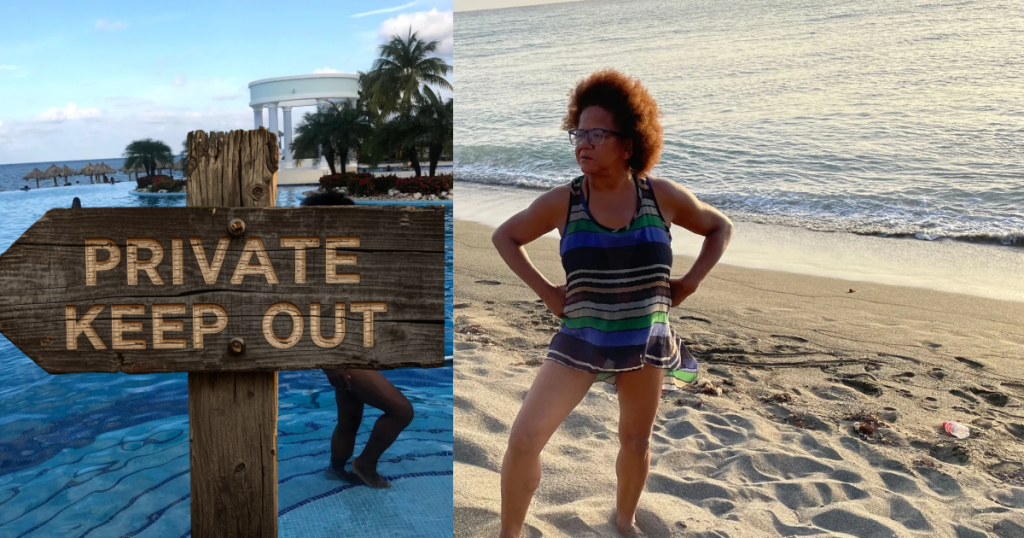
You know that feeling when you pull up to a beach in Jamaica and there is a sign that says Private. Keep Out? That is not an accident. That is policy.
Jamaicas Beach access crisis was fostered by a policy that has been in place since 1956. Back then the colonial government decided that Jamaica’s coastline belonged to the Crown and not to the people who live here.
Today we are going to talk about what is really happening to Jamaica’s beaches, which ones are under threat right now, who is fighting back, and what the law says about your right to stand on your own island’s shore.
The Beach Control Act of 1956 was written before Jamaica gained independence. It gave control of the foreshore, the area between the high and low tide marks, to the Crown, meaning the government. Under that law, Jamaicans were not granted a general right to bathe, fish, or even walk along the beach. The only people guaranteed access were beachfront property owners and their guests.
I covered this in depth on my YouTube channel this week. Watch it here:
THE LAW AT THE ROOT OF IT ALL
Jamaica became independent in 1962. The Act was amended in 2004, but for many Jamaicans very little changed.
Today, the only beaches that can be freely accessed are those specifically designated as public recreational beaches, and even some of those charge an entrance fee.
According to JaBBEM, the Jamaica Beach Birthright Environmental Movement, only about 0.6% of Jamaica’s coastline is reliably accessible to the public. In 2000, Jamaica had 61 hotels, villas, and businesses with private beaches. By 2021, that number had grown to more than 300. And the expansion continues. By 2030, Jamaica is expected to add more than 10,000 new hotel rooms, including the 1,000-room Hard Rock Hotel and the 1,350-room Moon Palace Grand in Montego Bay, both located along the coastline.
To understand why this issue has become so controversial, consider the numbers. Jamaica has approximately 635 miles of coastline, but only about 148 to 200 miles consist of sandy beaches. The rest is made up of rocky shoreline, cliffs, mangroves, and coastal wetlands.
Of those sandy beaches, only a small fraction is freely available to the public. Estimates suggest that just 3 to 5 miles are completely free public beaches. Additional beaches are accessible but require an entrance fee, while large stretches of the coastline are controlled by resorts, private developments, and gated communities, with access restricted primarily to guests and property owners.
For many Jamaicans, that reality feels like a contradiction. We are an island nation surrounded by the Caribbean Sea, yet access to some of our most beautiful beaches remains one of the country’s most debated and emotional issues.
JAMAICAS BEACH ACCESS CRISIS
Across Jamaica, several communities are involved in a battle to maintain, regain or simply have access to the same beaches they’ve been going to for decades.
LITTLE DUNN’S RIVER, ST ANN
Little Dunn’s River, known as the locals’ Dunn’s River, was a free, communal beach in St Ann where ordinary Jamaicans could spend a day at the water without paying resort prices. In August 2022, the Urban Development Corporation closed it after a man was killed on the nearby road.
That same year, a similar incident occurred near two prominent hotels in Mammee Bay. Those hotels never closed for a single day.
Little Dunn’s River was eventually reopened, for weekends only. The vendors who had operated there for years, paying their trade licences and their taxes, lost years of income. JaBBEM took the UDC to court. As of early 2026 that case is still ongoing.
THE BLUE LAGOON, PORTLAND
The Blue Lagoon is one of the most extraordinary bodies of water in Jamaica, a natural phenomenon that has drawn visitors from around the world, including as the filming location for scenes in Tom Cruise’s 1988 film Cocktail. The communities that have lived around it for generations should have the easiest access of all. Instead, the parochial road to the lagoon has been blocked by barriers and private security since 2022.
As of June 2024, one private landowner agreed to allow public entry between nine in the morning and five in the afternoon. As a favour. With nothing in law to protect that access if they change their mind.
JaBBEM and local residents, along with the Portland Environmental Action group, filed a court case against the Portland Municipal Corporation, the Jamaica National Heritage Trust, and private beachfront property owners, seeking recognition of the public’s right to use the road, the lagoon, and the adjoining fishing beach under the Prescription Act of 1882.
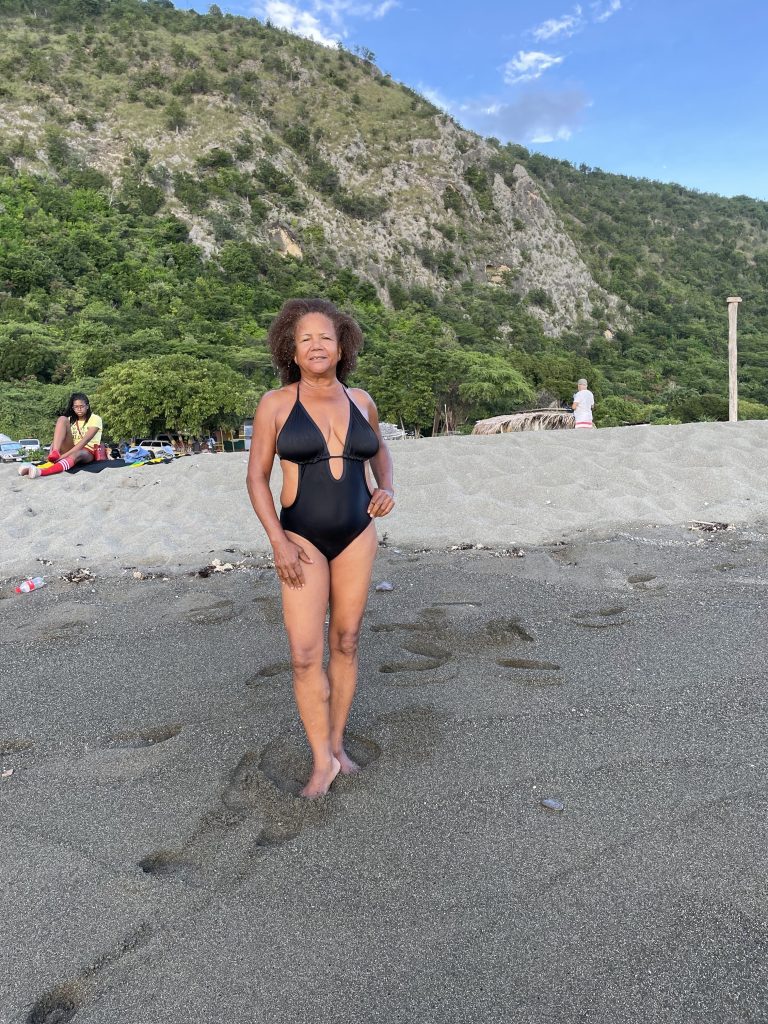
BOB MARLEY BEACH, BULL BAY, ST THOMAS
Bob Marley Beach in Bull Bay is more than a recreational spot. It is a community anchor, home to Rastafari families who have lived there for over fifty years, and a beach used by surfers and local residents for generations. Plans for a hotel development on lands there would end public access and displace those communities permanently.
The Jamaica Surfing Association joined forces with JaBBEM and local residents to take the matter to the Sutton Street Parish Court in Kingston in 2023. The case is ongoing. Ziggy, Cedella, and Stephen Marley have publicly backed the campaign. Reggae artist Sizzla has also voiced his support.
FLANKER AND PROVIDENCE BEACH, MONTEGO BAY
This is the most active case right now. Sandals Resorts International has plans to develop Flanker and Providence Beach in Montego Bay, eighteen overwater bungalows, villas, wetland conversion, and coastal modification. The project would displace communities from Whitehouse to Coral Gardens to Ironshore who have had unrestricted access to that beach for over sixty years.
In May 2025, those communities showed up to the National Environment and Planning Agency environmental impact assessment and said no. Sandals kept going.
JaBBEM filed a lawsuit in the St James Parish Court in October 2025 under the Prescription Act. One of the most damning details of the entire controversy: the environmental impact assessment for the Sandals project considered thirteen laws and left out the Prescription Act of 1882 — the very law that protects the customary rights of communities to access the beach and the sea. The economic return listed in that same EIA for a development of this scale? Fifty low-wage jobs. Butlers, housekeepers, waiters, and lifeguards.
WINNIFRED BEACH, PORTLAND
Winnifred Beach in Fairy Hill, Portland is a success story and we need to name it as one. After years of community resistance and a court battle, in 2014 the Fairy Hill community secured the right to use Winnifred Beach in perpetuity. The Free Winnifred Beach Benevolent Society has managed it ever since. This supports local vendors, and community-trained lifeguards, which sees tourism revenue going back into the area rather than to outside investors.
But even Winnifred is not fully at rest. In 2024 the Tourism Enhancement Fund proposed development of the beach, parking facilities, bathroom upgrades, commercial additions. Residents pushed back. They have seen too many times how development proposals end in Jamaica.
MAMMEE BAY, ST ANN
In 2022 JaBBEM also raised concerns about fisherfolk and residents of Mammee Bay being denied access to Mammee Bay Beach while hotel construction was underway. This became part of the broader pattern JaBBEM has documented across the island, communities bearing the burden of safety closures and development restrictions while commercial interests proceed uninterrupted.
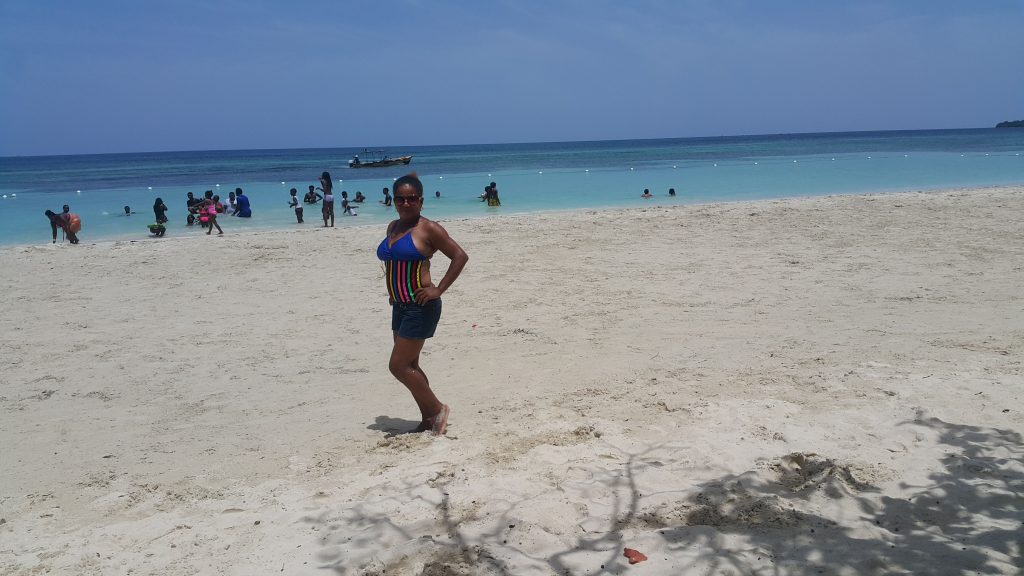
SEVEN MILE BEACH NEGRIL
And then there is the incident that just happened in April 2026, so recent the paint is barely dry. Someone erected a barbed wire fence across a section of Negril’s Seven Mile Beach, running all the way from the road to the sea, cutting the beach in two.
A hotelier named Winthrop Wellington was on his morning run when he hit the fence and could not pass. He pulled out his phone, filmed it, and posted it. The video went viral within hours. The public reaction was immediate and fierce. The UDC moved fast, the fence came down the same day. The chairman of the Negril Destination Assurance Council confirmed it was gone and said, and I quote, “everything is back to normal.”
Now here is the irony. The man who filmed that video and called it one hundred percent illegal, he is a beachfront hotel owner himself. And his words were: this beach has always been, and will always be, a public beach. When even the hoteliers are saying that, you know the people have had enough. The fence came down in hours. But the fight is not over.
THE GOVERNMENT’S RESPONSE
In March 2026, Prime Minister Andrew Holness tabled a new Beach Access and Management Policy as part of the 2026/27 budget debate. He acknowledged that the existing Beach Control Act does not adequately address contemporary needs. He pointed to Harmony Beach Park in Montego Bay as a model of public access done right. He announced a forthcoming Negril Public Beach Park and upgrades to three additional beach parks in St Mary, St James, and St Ann. He also stated that new hotel approvals will be tied to public access commitments.
JaBBEM formally and unequivocally rejected the policy. Their president Dr Devon Taylor argued that the new framework entrenches rather than dismantles the colonial barriers that have restricted Jamaicans for decades. His position is clear: policy is not enough. What is needed is legislation, a full repeal of the Beach Control Act and its replacement with a law that gives every Jamaican an inalienable, unconditional right to their coastline.
WHO IS JaBBEM AND HOW TO SUPPORT THEM
The Jamaica Beach Birthright Environmental Movement was founded by Dr Devon Taylor. The organisation has filed multiple lawsuits across Jamaica, mobilised communities, and brought international attention to the beach access crisis. Their attorney Marcus Goffe has argued case after case in parish courts across the island.
Their position is simple: Jamaica’s beaches, cays, rivers, and foreshore are the birthright of every Jamaican. Not a privilege. Not a favour. A right.
You can learn more about their work and support the campaign at jabbem.org.
CELEBRITY SUPPORT
The campaign has gained support from Ziggy, Cedella, and Stephen Marley, children of Bob Marley, as well as reggae artist Sizzla. Their backing has helped bring wider attention to cases that might otherwise stay buried in parish court listings.
THE BIGGER PICTURE
Jamaica’s tourism minister announced a plan to attract five million visitors a year and generate five billion dollars in annual earnings by 2025. Tourism is the country’s biggest earner. Every new resort, every overwater bungalow, every private villa built on the coastline is part of that strategy.
But there is a cost that does not appear in any earnings report. The beach is not just recreation for Jamaicans. It is culture. It is Sunday tradition. It is where children learn to swim, where fish is cooked, where communities breathe. When those spaces are sold off, quietly, legally, through a system designed in 1956 to protect property owners over people, something irreplaceable goes with them.
Devon Taylor put it plainly: our cultural ties to these spaces have been decimated. Natural resources are being transferred to foreign entities. That is not development. That is dispossession.
I covered this in depth on my YouTube channel this week. Watch it here.
SOURCES AND FURTHER READING
Jamaica Gleaner — Beach policy under fire (March 2026) https://jamaica-gleaner.com/article/news/20260327/beach-policy-under-fire
Voice Online — Jamaicans fight colonial-era beach law in court (November 2024) https://www.voice-online.co.uk/news/world-news/2024/11/27/jamaicans-fight-colonial-era-beach-law-in-court/
Voice Online — Jamaican campaigners launch legal action to defend local access to Montego Bay beach (October 2025)https://www.voice-online.co.uk/news/uk-news/2025/10/07/jamaican-campaigners-launch-legal-action-to-defend-local-access-montego-bay-beach/
Jamaica Observer — UDC urges patience amid Little Dunn’s River access protests (March 2024)https://www.jamaicaobserver.com/2024/03/27/udc-urges-patience-amid-little-dunns-river-access-protests/
Jamaica Observer — Access to Little Dunn’s River free of charge — UDC (October 2025)https://www.jamaicaobserver.com/2025/10/16/access-little-dunns-river-free-charge-udc/
Jamaica Gleaner — Blue Lagoon public access rights case heads back to court (March 2024) https://past.jamaica-gleaner.com/article/lead-stories/20240326/blue-lagoon-public-access-rights-case-heads-back-court-june-17
Jamaica Gleaner — JaBBEM vows to use the law for public beach access (October 2025) https://jamaica-gleaner.com/article/news/20251010/jabbem-vows-use-law-public-beach-access
SBS Dateline — Second-class citizens: Why locals in this island nation can’t use its stunning beaches (December 2024)https://www.sbs.com.au/news/dateline/article/second-class-citizens-why-locals-in-this-island-nation-cant-use-its-stunning-beaches/o76xj99ac
Climate Tracker Caribbean — From Borikén to Jamrock: A common fight for beach access (March 2025)https://climatetrackercaribbean.org/climate-justice/from-boriken-to-jamrock-a-common-fight-for-beach-access-the-changing-coastline/
JaBBEM official website https://www.jabbem.org
CLOSING LINE FOR THE POST
Watch the full video on the Jamaican Gypsy Granny YouTube channel — link in the menu above. And if you have ever been turned away from a beach in Jamaica, I want to hear your story. Leave it in the comments.
