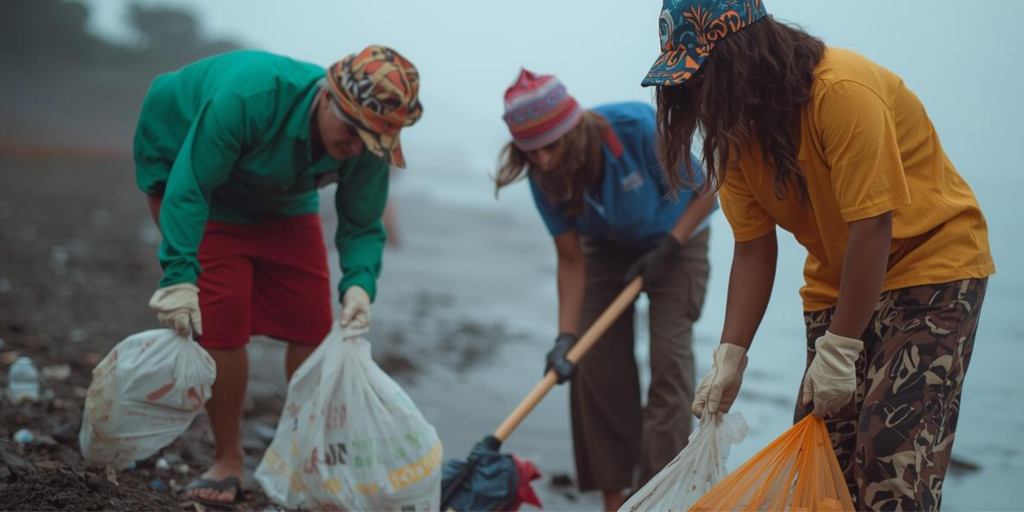
Positive Benefits of Volunteering and Giving Back After 50
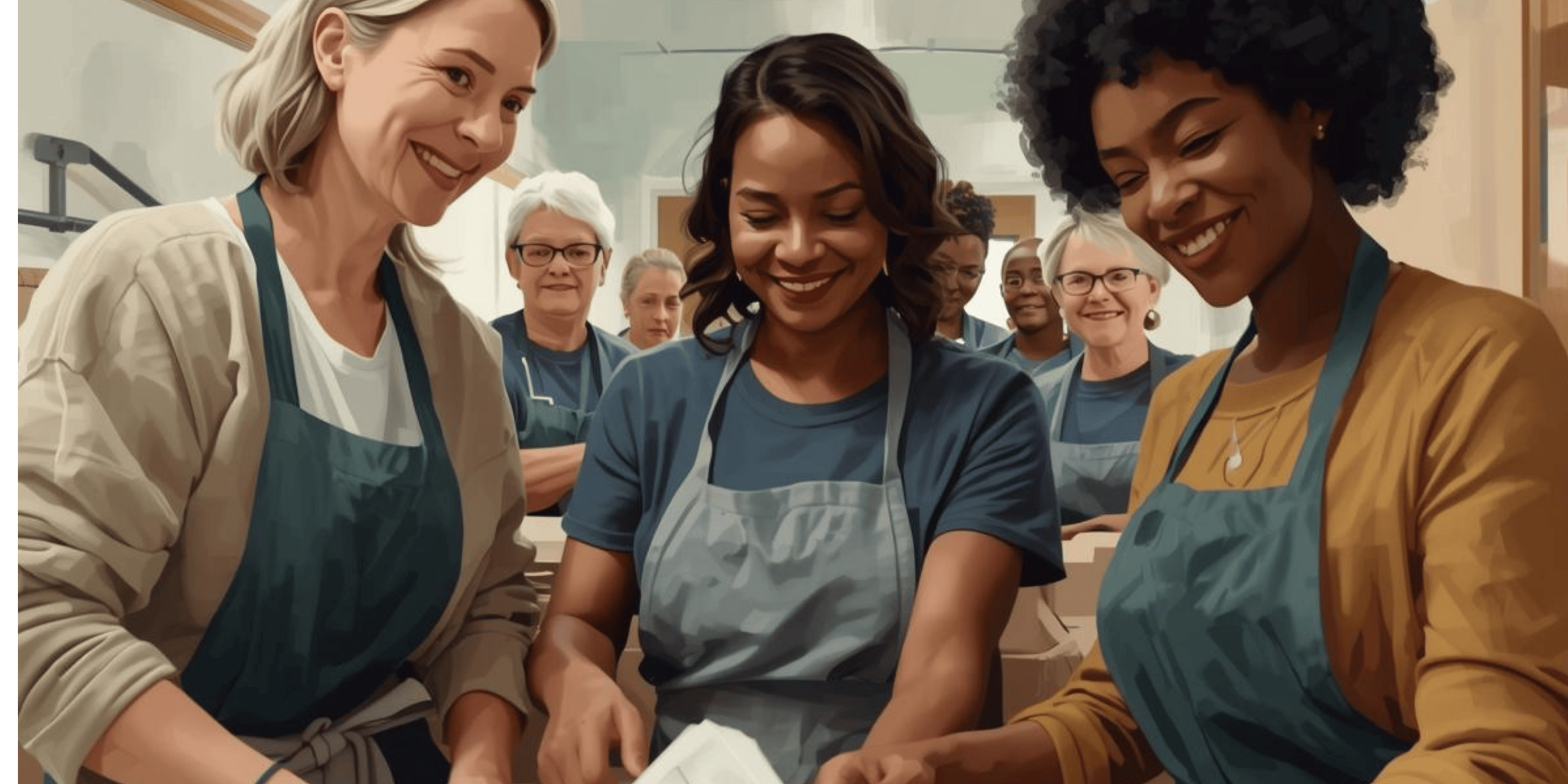
Are you a woman over 50 looking to make a difference in the world? Volunteering and giving back have a positive impact on society. It will positively affect your physical and mental health.
Studies show that volunteering can lead to reduced stress levels, increased social connections, and improved cognitive function. Plus, it’s an opportunity to learn new skills, gain new perspectives, and create a sense of purpose.
In this blog post, we’ll explore the many benefits of volunteering and giving back. We will provide tips on how to get involved and make a difference in your community.
What is Volunteering?
Volunteering is when someone chooses to help others or a cause without expecting anything in return. You can do this as an individual or in a group. It involves various activities such as donating time, skills, or resources.
Volunteering is driven by a desire to make a positive impact on society or the community. It can also offer personal benefits such as:
- Learning new skills
- Meeting new people
- Improving mental and physical health
Many organizations rely on volunteers to help carry out their missions.
The Importance
Volunteering and giving back to society is essential for individuals and society as a whole. It helps create a sense of purpose. It builds a sense of community and impacts the lives of others.
Community Involvement
This provides individuals with the opportunity to be a part of a community. It helps them contribute to its growth and development.
It allows people to connect with others, form friendships, and build networks that can support them in various ways. Individuals who volunteer at local non-profit organizations can build strong relationships with their colleagues. They gain new skills and experiences and increase their chances of finding employment opportunities.
Community involvement helps individuals understand the issues and challenges that their community faces. They become more aware of how they can contribute to finding solutions.
Social Impact
It can have a significant social impact by positively affecting the lives of those in need. By volunteering time and resources, individuals can make a meaningful contribution to society. They can help those who are less fortunate.
It can also create a ripple effect that leads to a broader positive impact on society. When individuals come together to address issues in their community, it can inspire others to get involved.
Volunteering at a homeless shelter or food bank can help provide essential resources to those who are struggling. Working with a youth organization helps provide mentorship and guidance to young people navigating challenging circumstances.
This leads to a more significant impact on society. This, in turn, can lead to more significant changes in policy and societal norms, which can help create a more equitable and just society.
Health Benefits
Volunteering and giving back not only benefit society and the community, but they also have several health benefits for individuals. In this section, we will discuss how it can improve an individual’s physical and mental health.
Physical Health Benefits
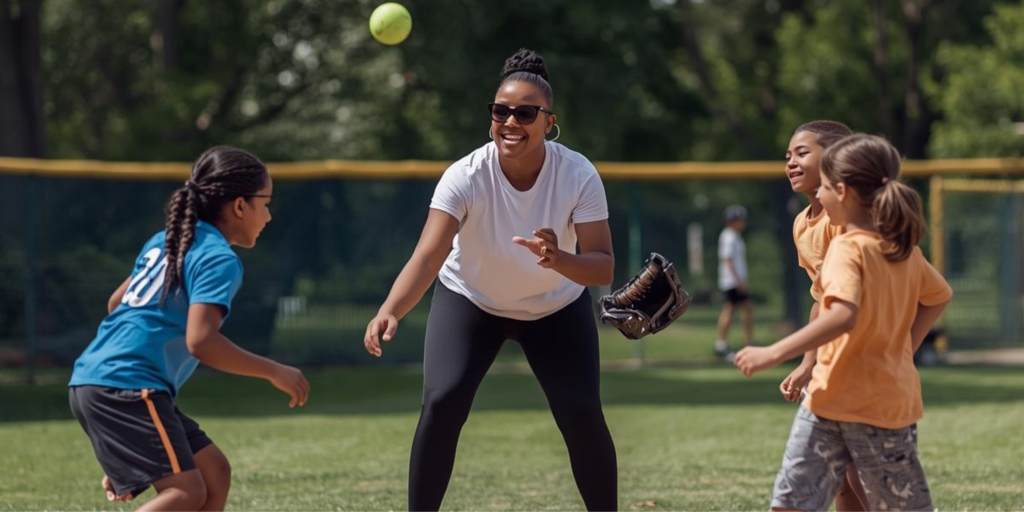
It can have a positive impact on an individual’s physical health. When individuals engage in volunteering activities, they often engage in physical activities. These include cleaning, carrying items, or participating in outdoor events.
These physical activities help:
- Improve an individual’s overall fitness levels
- Reduce the risk of chronic diseases
- Boost their immune system.
Volunteering can help individuals maintain a healthy weight and reduce their risk of obesity. This is a significant risk factor for several chronic diseases.
Emotional Well-being
When you give back it will have a positive impact on your emotional well-being. When individuals engage in volunteering activities, they often experience a sense of purpose and fulfillment. Volunteering provides individuals with the opportunity to help others and make a meaningful contribution to society. This can increase their self-esteem and sense of self-worth.
It can help individuals combat feelings of loneliness and social isolation by providing them with a sense of community and belonging.
It can help reduce stress and improve an individual’s mental health. When individuals engage in volunteering activities, they often experience a sense of joy and happiness. This can help combat feelings of depression and anxiety.
Additionally, volunteering can help individuals develop new skills and experiences, which can help improve their confidence and competence.
Personal Growth
Volunteering and giving back can provide individuals with an opportunity for personal growth. Let us look at hit can help individuals develop new skills, learn about different cultures, and gain new perspectives.
Learning New Skills
It will provide individuals with the opportunity to learn new skills that can be used in personal and professional life. Volunteering can offer a range of experiences, from working with others to learning new technical skills.
For example, volunteering in a community garden can teach individuals about gardening, composting, and the environment. Volunteering at a charity event can help individuals develop event planning and management skills. These experiences can also lead to new career opportunities or enhance current skill sets.
Learning about Different Cultures
Exposure to different cultures, beliefs, and traditions is another benefit. It provides a unique opportunity to interact with people from different backgrounds. You will learn from them, and understand their perspectives.
Volunteering in a multicultural environment can help individuals develop intercultural competence. This is a valuable skill in our increasingly globalized world.
Gaining New Perspectives
Volunteering and giving back can broaden an individual’s perspective on social issues and the world around them. By working in a nonprofit organization or a community group, individuals can see firsthand the impact of social problems. They learn how people are working to address them.
Volunteering can also challenge an individual’s assumptions and beliefs. This helps in promoting critical thinking and expanding their worldview.
Social Impact
Volunteering and giving back can have a positive impact on society. It can create stronger communities and reduce social inequality.
Creating Stronger Communities
It will help create stronger and more connected communities. By working together for a common goal, individuals can develop a sense of community and belonging.
Volunteering can also provide individuals with the opportunity to meet new people, form relationships, and strengthen existing ones. This can lead to increased social capital. This is the network of social relationships and norms that facilitate coordination and cooperation among individuals and groups.
Reducing Social Inequality
Volunteering and giving back can also play a role in reducing social inequality. Volunteering can provide individuals with access to resources and opportunities that they may not have had otherwise. It can also help address social issues and promote social justice.
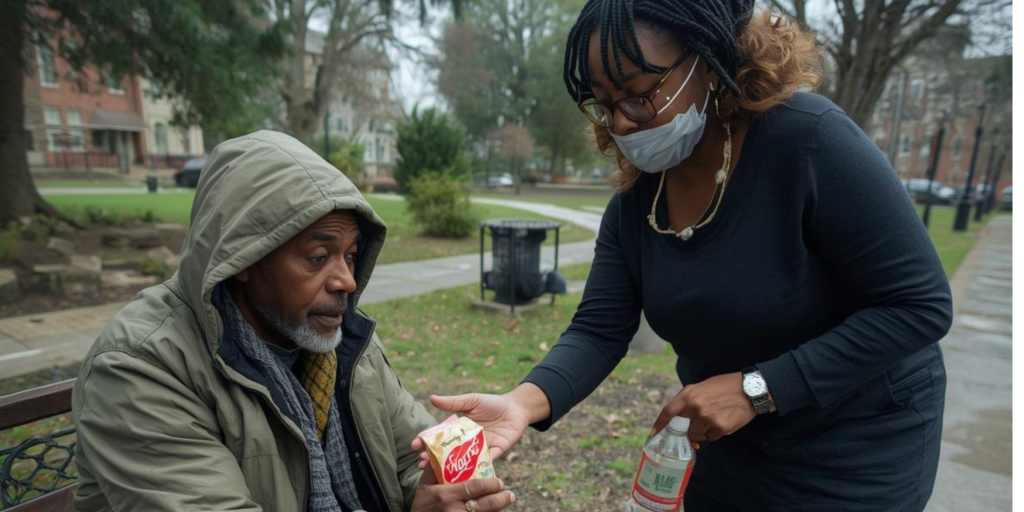
Volunteering at a food bank or homeless shelter can help provide support and resources to those in need. Volunteering at a nonprofit organization focused on social justice can help promote systemic change.
Promoting Civic Engagement
It will also promote civic engagement. This is the participation of individuals in the democratic process and their communities.
By volunteering and engaging in community activities, individuals can develop a sense of civic responsibility. They become more invested in the well-being of their community. This can lead to increased political engagement, community activism, and a stronger civil society.
Charity Work and Philanthropy
Charity work and philanthropy are often used interchangeably, but they have distinct differences. Let us look at how charity work and philanthropy differ and their contributions to society.
Charity Work
Charity work involves providing direct assistance to those in need, typically through donations of money, goods, or time. It often focuses on immediate needs and aims to alleviate suffering or provide temporary relief. Examples of charity work include:
- Donating to a food bank
- Volunteering at a homeless shelter
- Participating in a fundraising event for a specific cause
Philanthropy
Philanthropy involves strategic giving to promote long-term change and address systemic issues. It often involves large donations of money or resources to support causes such as education, healthcare, and social justice.
Philanthropy aims to address the root causes of social issues and create lasting change. It may involve supporting research, developing new programs, or partnering with organizations to effect change.
Contributions to Society
Both charity work and philanthropy contribute to society in different ways. Charity work can provide immediate relief to those in need. Philanthropy can address the underlying causes of social issues and create long-term change.
Both forms of giving can have a significant impact on individuals and communities. They often work together to achieve a common goal.
How to Get Involved
When you give back you will find that it is a fulfilling and rewarding experience, but sometimes it can be hard to know where to start. Here are some tips for getting involved:
Identify Your Skills and Interests
Before you start volunteering, it’s important to identify what skills and interests you have to offer. Are you good at organizing events? Do you enjoy working with children? By knowing what you are passionate about, you can find volunteer opportunities that align with your interests and skills.
Research Local Organizations
Once you know what you’re interested in, start researching local organizations that align with your passions. Look online, ask friends and family, or reach out to local volunteer centers for recommendations.
Read about the organization’s mission and volunteer opportunities. Examine the impact they make in the community to determine if it’s a good fit for you.
Start Small
If you’re new to volunteering, it’s best to start small. Choose an opportunity that’s not too demanding and requires a limited time commitment. As you gain more experience, you can consider taking on more significant roles.
Be Consistent
Volunteer organizations often rely on consistency and dependability. If you commit to a volunteering opportunity, make sure to follow through and show up on time. By being consistent, you will build trust with the organization and may even have opportunities for leadership roles.
Give Back in Other Ways
Volunteering isn’t the only way to give back to your community. Consider making charitable donations to organizations you support or even starting your own charitable initiative. You can also give back by participating in local events or simply by being kind to your neighbors.
Volunteer Your Way to a Thriving 50 Plus
Remember, this is not only good for your community, but it’s also good for you. By getting involved, you can develop new skills, make new friends, and have a positive impact on the world around you.
It is essential for individuals and society, providing benefits such as personal growth, social impact, and improved health. As women over 50, it’s never too late to get involved and make a difference in your community.
By identifying your skills and interests, researching local organizations, and starting small, you can begin your journey of giving back. Experience the positive impact it has on your life.
To continue learning about how to make changes and thrive after 50, be sure to follow us at, Fifty Plus Rebirth. Join me on this journey of growth, impact, and fulfillment through volunteering and philanthropy.